
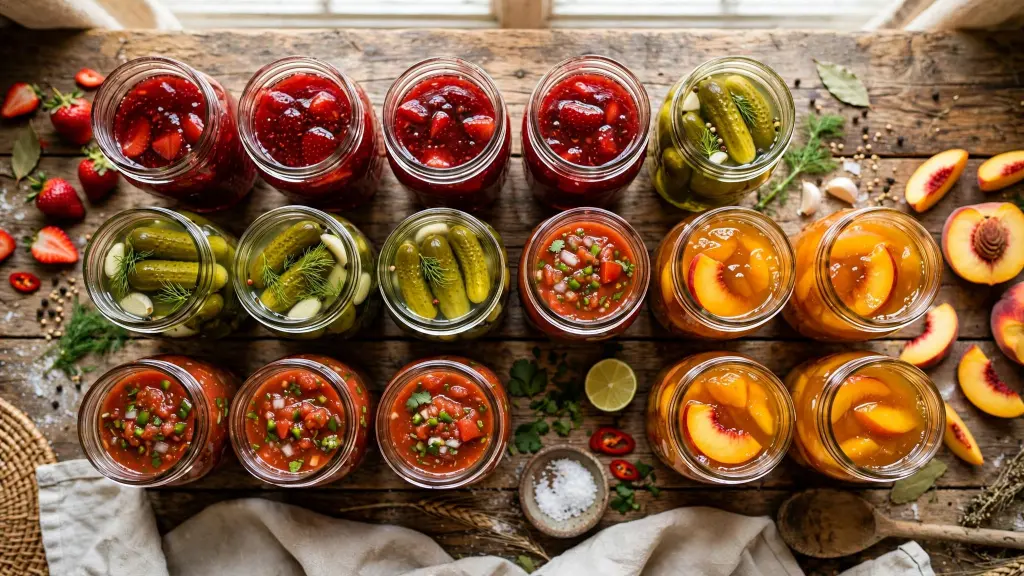
13 Beginner Canning Recipes That’ll Turn You Into a Home Canning Pro
New to preserving? Start here: these beginner canning recipes use simple water-bath methods, common produce, and forgiving ratios, so you can fill your pantry with homemade jams, pickles, salsas, and sauces without special equipment or years of experience. I put this list together after my own shaky first attempts at canning — a few overcooked jams, one memorably runny salsa — because I wish someone had handed me a “start here” list instead of a 40-page manual. Every recipe below sticks to basic water-bath canning, uses ingredients you can find at any grocery store, and teaches a core skill you’ll reuse for years.
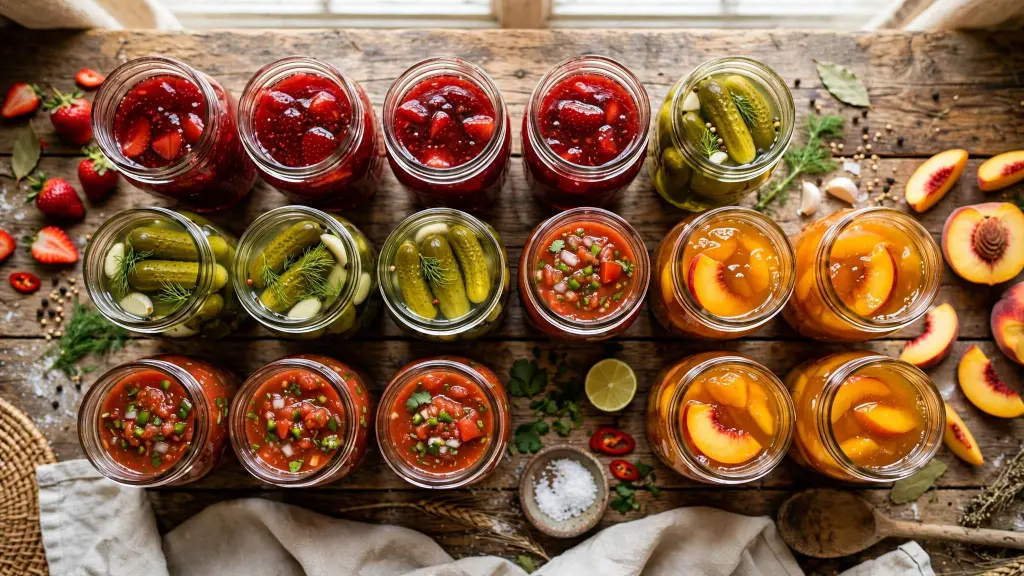
Quick Picks for skimmers:
- Small-Batch Strawberry Jam — the classic first canning project, ready in under an hour
- Crisp Refrigerator-Style Dill Pickles — no special canner needed, great confidence-builder
- Easy Tomato Basil Sauce — turns a garden overflow into weeknight dinners all winter
- Spiced Peach Preserves — a showstopper gift jar that tastes like late summer
The Recipes
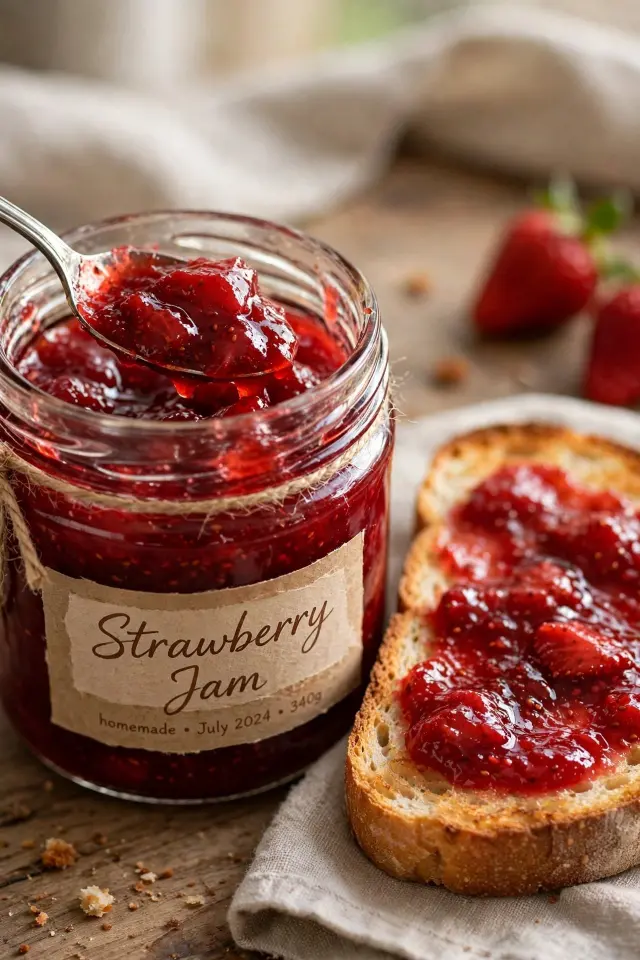
Small-Batch Strawberry Jam
This is the jam that gets people hooked on canning. It comes together in one pot, smells like a strawberry patch in June, and sets up glossy and spoonable without needing a candy thermometer if you know the plate test. What makes it such a good starter recipe is forgiveness — slightly under-ripe or over-ripe berries both work, and the sugar-to-fruit ratio does most of the heavy lifting for you. Is pectin necessary for beginner jam? Not for this one; the natural pectin in strawberries plus a splash of lemon juice is enough to get a soft set.
Tip: Chill a small plate in the freezer beforehand so you can test doneness by dripping a spoonful on it — if it wrinkles when nudged, it’s ready.
Crisp Refrigerator-Style Dill Pickles
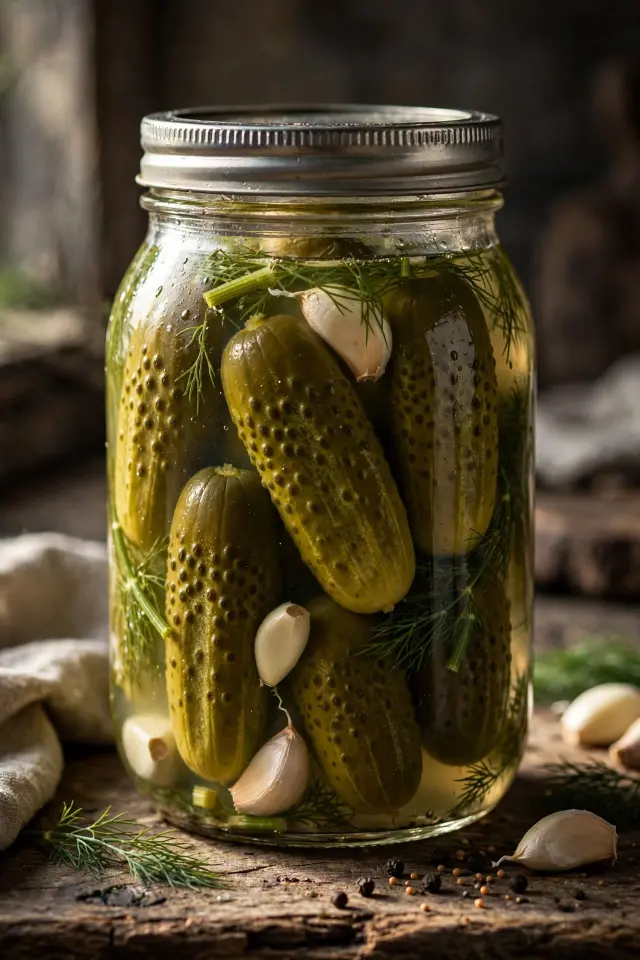
If jam feels intimidating, pickles are the friendlier entry point. These stay crunchy because they’re processed briefly and packed with fresh dill, garlic, and a punchy vinegar brine that doesn’t overpower the cucumber. The smell alone — dill and hot vinegar — is what convinced my neighbor to start canning her own vegetables. They’re ready to eat within a week but genuinely improve after two.
Tip: Use pickling cucumbers, not standard slicing cucumbers, for the crunchiest texture.
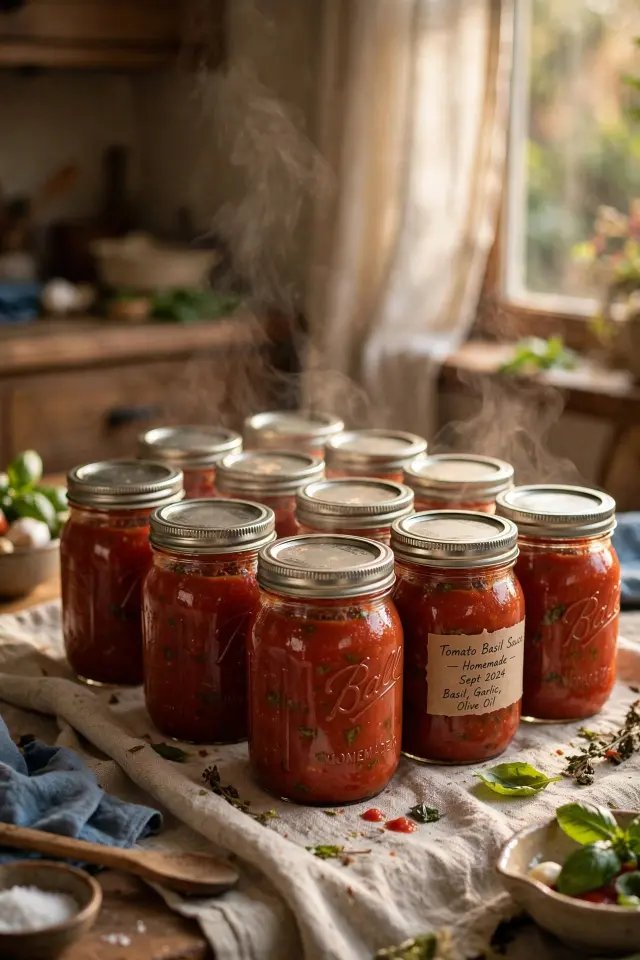
Easy Tomato Basil Sauce
This is the recipe that makes a tomato glut feel like a gift instead of a chore. Cooked down slowly with garlic, onion, and fresh basil, it tastes noticeably brighter than anything from a can — you’ll notice it first in the color, a deep, almost brick-red rather than dull orange. It’s also endlessly useful: pasta night, pizza base, shakshuka starter.
Tip: Core and roughly chop tomatoes skin-on; the skins soften completely during the long simmer and add body.
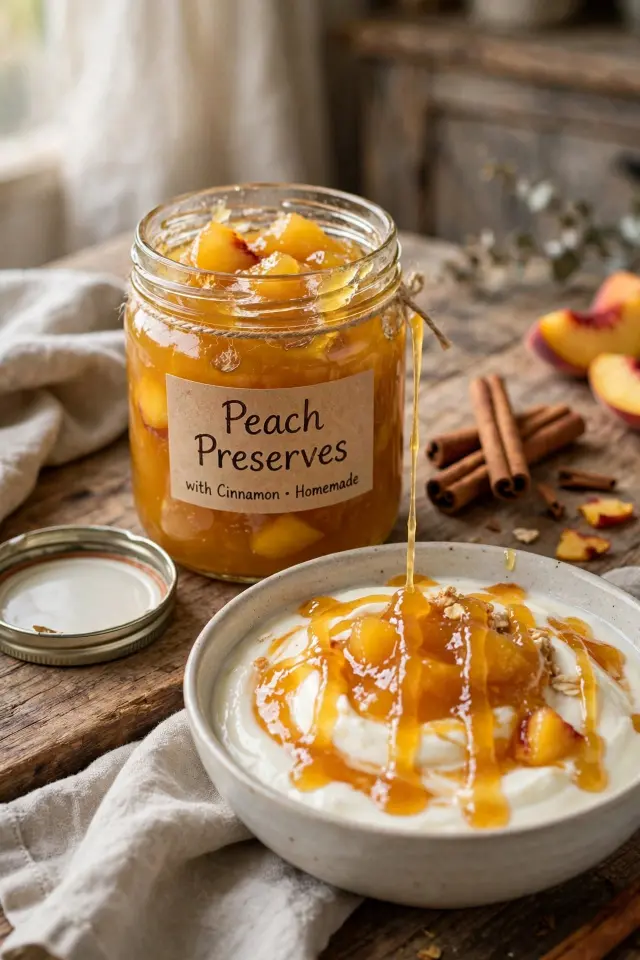
Spiced Peach Preserves
Peaches canned with cinnamon and a little vanilla taste like dessert in a jar — spoon them over vanilla ice cream or plain yogurt and you’ll understand why this is the one people ask for as a gift. The spice is subtle, meant to round out the fruit’s natural sweetness rather than mask it.
Tip: Blanch peaches for 30 seconds in boiling water first; the skins slip right off.
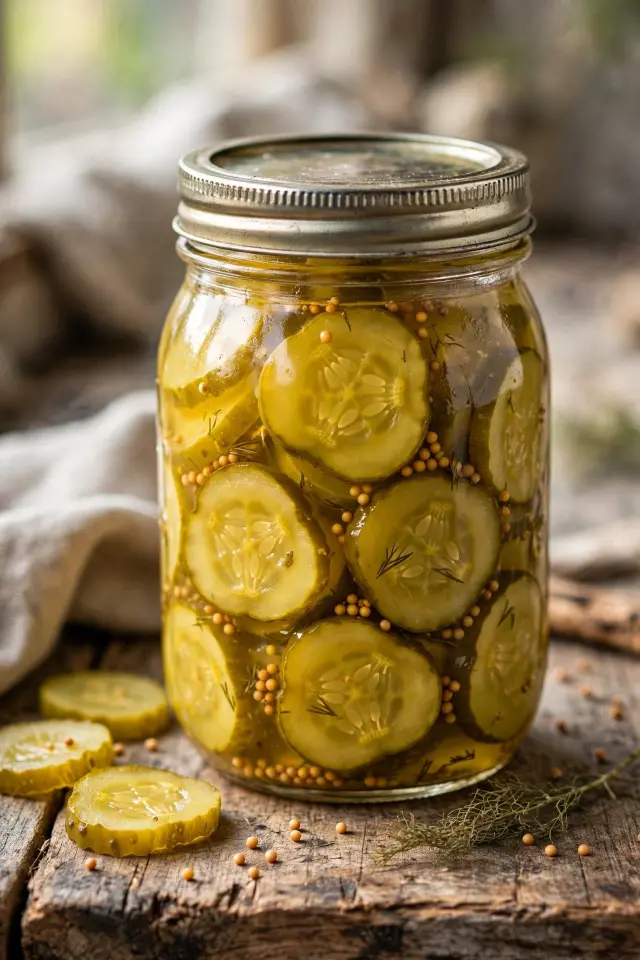
Classic Bread and Butter Pickles
Sweet, tangy, and mellow with mustard seed and turmeric, these are the pickles that convert people who think they “don’t like pickles.” The color alone — a warm golden yellow — makes them stand out on a relish tray or burger.
Tip: Slice cucumbers uniformly thin with a mandoline for even pickling.
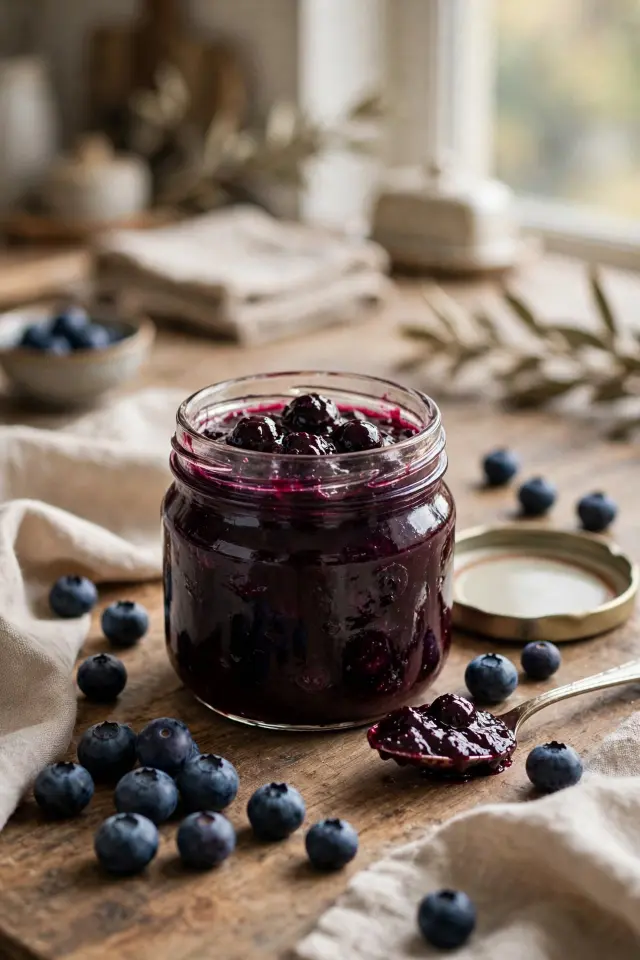
Small-Batch Blueberry Jam
Blueberries need almost nothing to shine — a little sugar, a squeeze of lemon, and low heat that keeps the berries mostly whole rather than mushy. What surprises first-timers is how quickly it sets, usually in 15-20 minutes of simmering.
Tip: Add lemon zest, not just juice, for a brighter aroma.
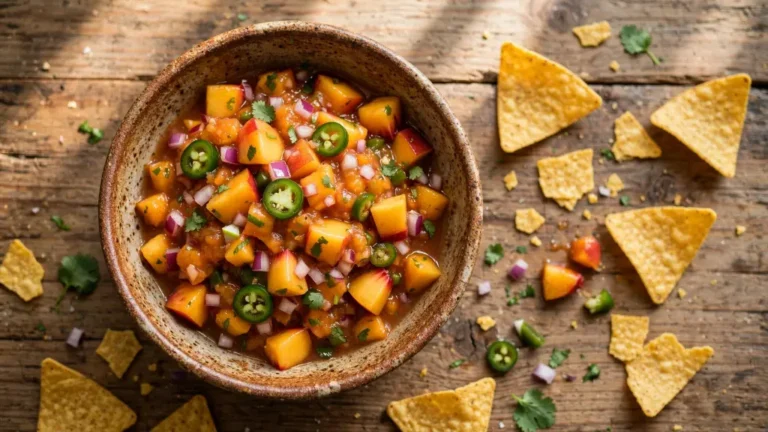
Fresh Tomato Salsa
Should salsa be cooked before canning? Yes — for safe water-bath canning, the tomato, pepper, and onion mixture needs to be simmered briefly to the right acidity and consistency, which also deepens the flavor. This one has a nice chunky texture and just enough heat from jalapeños to keep it interesting without overwhelming.
Tip: Don’t skip the bottled lemon or lime juice; it’s key for safe acidity, not just flavor.
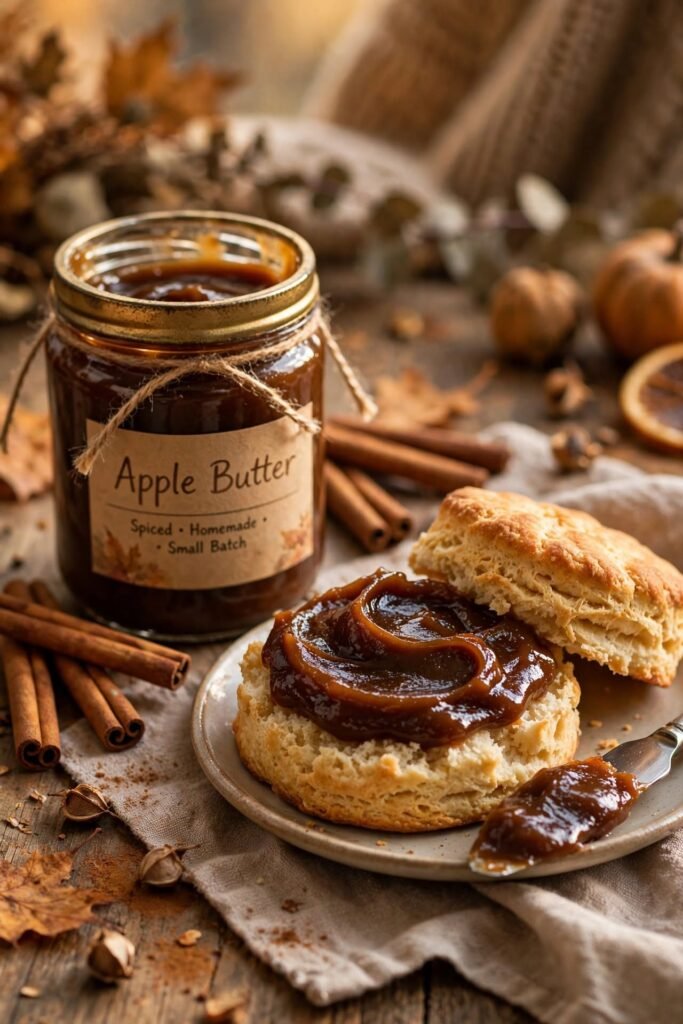
Apple Cinnamon Butter
Slow-cooked apples reduced down with cinnamon and brown sugar turn deeply caramel-colored and almost fudgy in texture — nothing like store-bought apple sauce. It’s less sweet than jam and wonderful on biscuits or stirred into oatmeal.
Tip: Use a mix of tart and sweet apples for the best balanced flavor.
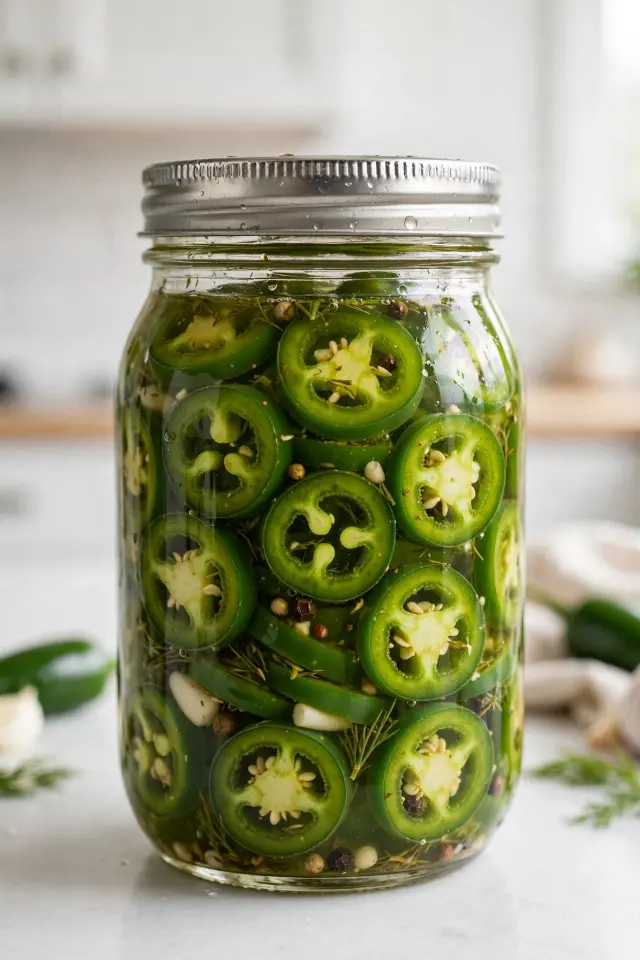
Pickled Jalapeños
These are milder than raw jalapeños thanks to the vinegar brine, with just enough lingering heat to wake up a sandwich or bowl of chili. My first jar disappeared in under a week once my family discovered them on nachos.
Tip: Wear gloves when slicing to avoid transferring capsaicin oils to your skin.
Grilled Peaches with Honey Yogurt
Pickled Green Beans (Dilly Beans)
Crisp, garlicky, and a little spicy if you add red pepper flakes, these are a fun one because the beans stand upright in the jar, looking almost decorative. They make a great Bloody Mary garnish or straight-from-the-jar snack.
Tip: Trim beans to sit just below the jar rim, leaving proper headspace for processing.
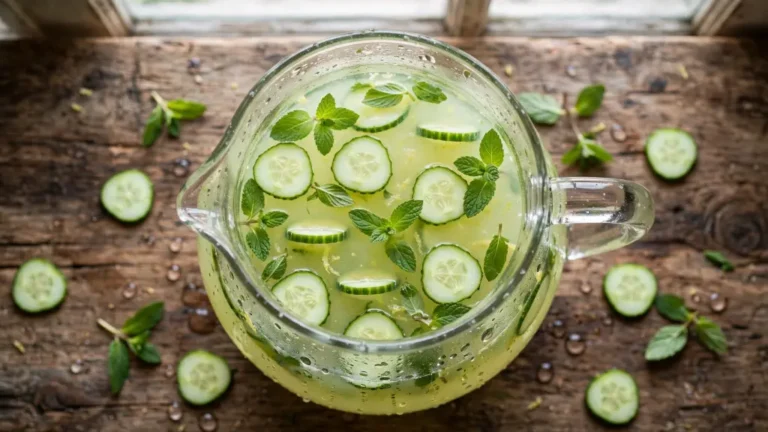
Himalayan Salt and Lemon Water
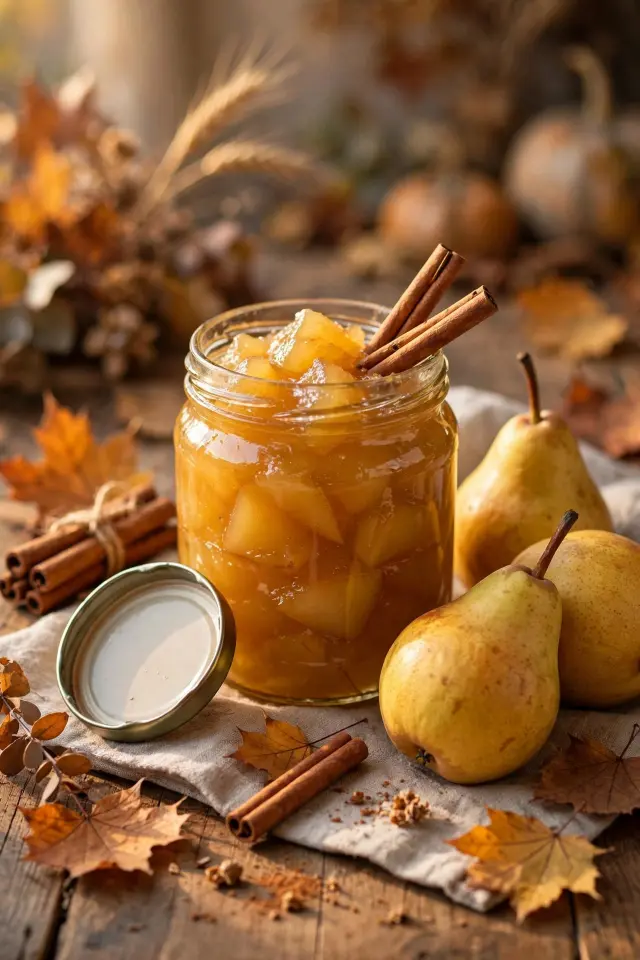
Honey Cinnamon Pear Preserves
Pears hold their shape better than peaches when canned, giving these preserves a lovely soft-but-intact texture, sweetened gently with honey instead of straight sugar. The cinnamon warms it up just enough for cooler months.
Tip: Choose firm, slightly underripe pears so they don’t turn mushy during processing.
Tips for Canning as a Beginner
Start with high-acid foods like fruit jams and vinegar pickles — they’re safely processed in a simple water-bath canner, no pressure canner required. Always use fresh, unbruised produce and follow tested recipe ratios exactly, especially for vinegar and sugar, since these control safety as well as flavor. Check jars for chips or cracks before use, and always wipe rims clean before sealing to ensure a proper vacuum seal. Store finished jars in a cool, dark spot, and always check that the lid has sealed (it shouldn’t flex when pressed) before storing longer-term.
FAQ
Do I need special equipment to start canning? Not much — a large stockpot, a jar lifter, and standard canning jars with new lids cover most beginner recipes. A water-bath canner is helpful but a deep pot with a rack works too.
How long do home-canned foods actually last? Properly sealed jars stored in a cool, dark place are generally good for about a year for best quality, according to the USDA’s National Center for Home Food Preservation. They don’t necessarily spoil right after that, but flavor and texture decline over time.
Can I reuse canning lids? Jars can be reused, but the flat lids are single-use since the sealing compound only works reliably once; bands can be reused if they aren’t rusted or bent.
Why didn’t my jam set properly? Usually it’s due to too little acid, not enough cooking time, or using overripe fruit low in natural pectin — all things easy to adjust on your next batch.
Is home canning safe if I follow the recipe exactly? Yes — sticking to tested ratios of acid, sugar, and processing time is what makes water-bath canning safe, according to guidance from the USDA Complete Guide to Home Canning. Never eyeball vinegar or lemon juice amounts in pickle or salsa recipes.
A Note From Me
If this list gets even one of you to pull out a pot and try your first jar of jam, it’s done its job. Pin your favorites, start with whichever recipe feels least intimidating, and don’t worry about a perfect first batch — mine wasn’t either. Happy canning!

2 Comments