
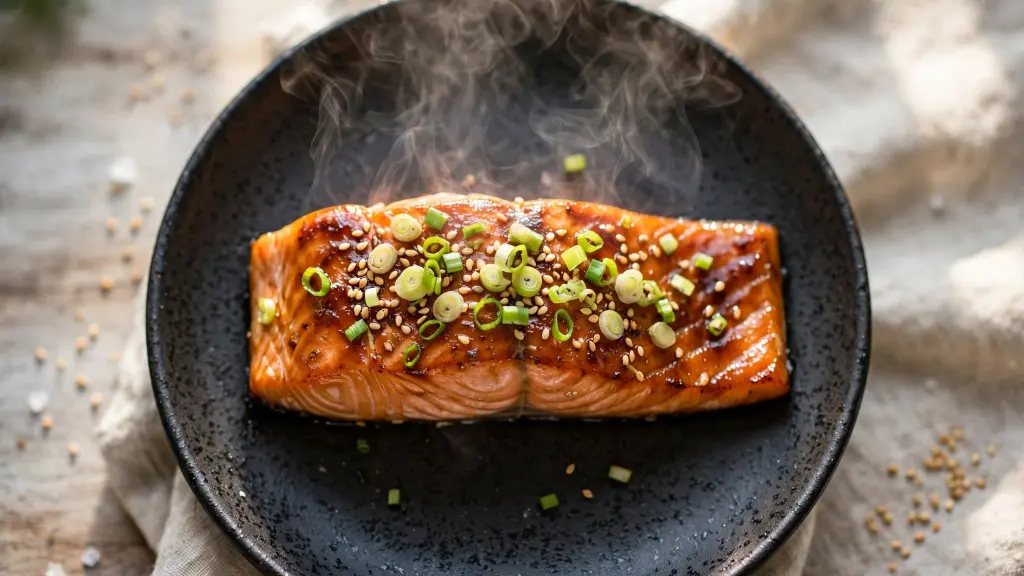
Japanese-Style Miso Salmon with Pink Himalayan Salt (Ready in 25 Minutes)
A Quick, Honest Note Before We Start
If you searched for a “Japanese pink salt diet recipe” hoping for some secret weight-loss ritual, I’ll be straight with you: that’s not a real thing, and no salt — pink or otherwise — melts fat away. What is real, and what I actually cook in my own kitchen, is this: a light, umami-rich Japanese-style salmon dish that uses pink Himalayan salt for its clean, mineral flavor. I started making this on busy weeknights when I wanted something that felt special but came together before my rice cooker even finished beeping, and it’s been in my rotation ever since.
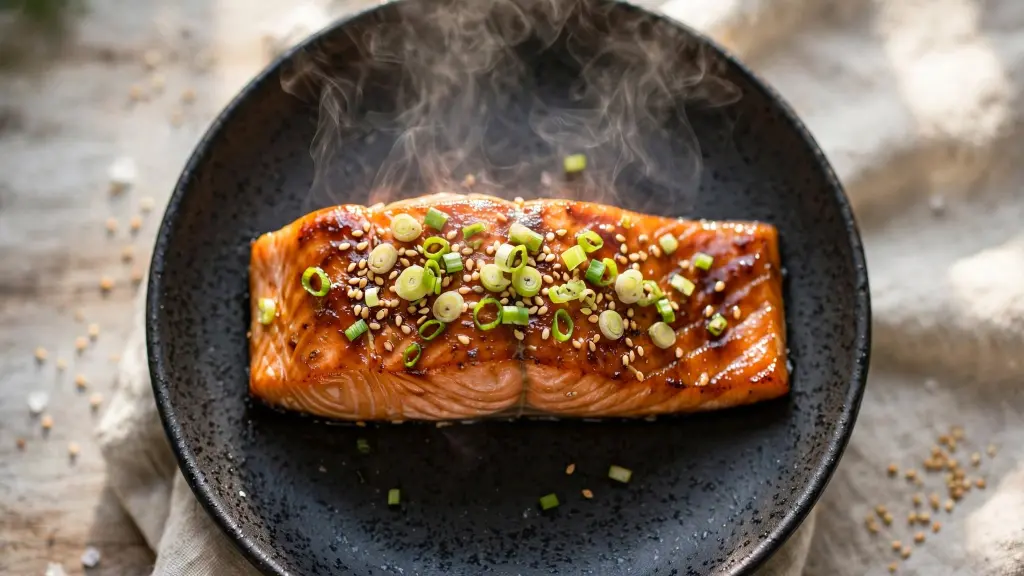
Recipe Snapshot
- Prep time: 10 minutes
- Cook time: 15 minutes
- Total time: 25 minutes
- Servings: 2
- Difficulty: Easy
Why You’ll Love This Recipe
- Comes together in one bowl and one pan — minimal cleanup
- Balances salty, sweet, and savory in a way that tastes like a restaurant dish
- Uses pantry staples plus pink Himalayan salt for a cleaner, milder saltiness
- Naturally gluten-free adaptable (swap the soy sauce for tamari)
- Great for Crumbl Chocolate Chip Cookie Recipe when you want something that still feels intentional
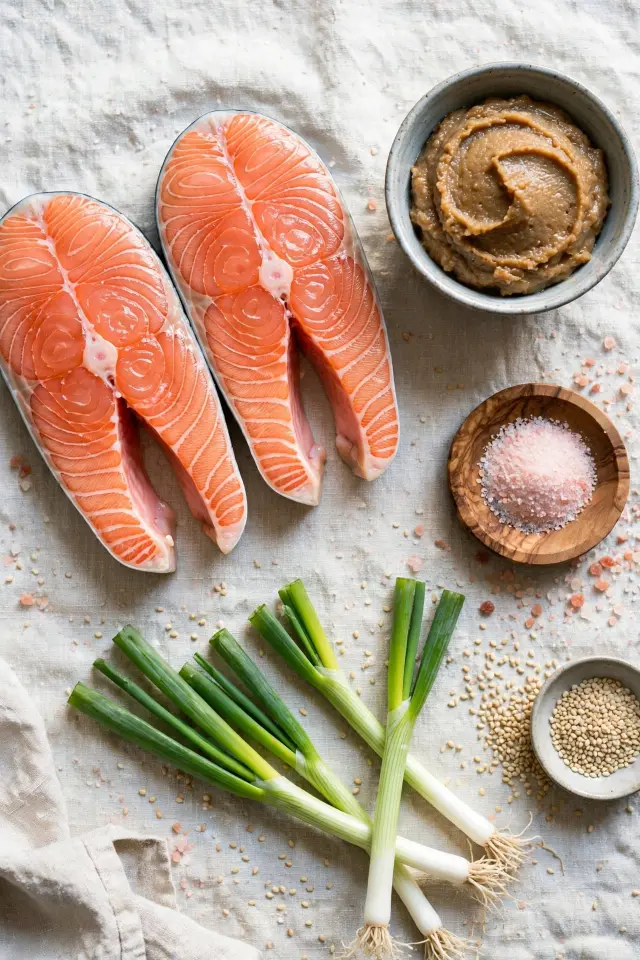
Step-by-Step Instructions
- Make the marinade. In a small bowl, whisk together the miso paste, mirin, soy sauce, and pink Himalayan salt until smooth. It should look glossy and slightly thick — like a light glaze, not a sauce.
- Coat the salmon. Pat the fillets dry with a paper towel (this step actually matters — a dry surface helps the glaze cling instead of sliding off), then rub the marinade over both sides. Let it sit for 10 minutes while your pan heats.
- Heat the pan. Warm the oil in a nonstick or cast-iron skillet over medium heat until it shimmers slightly.
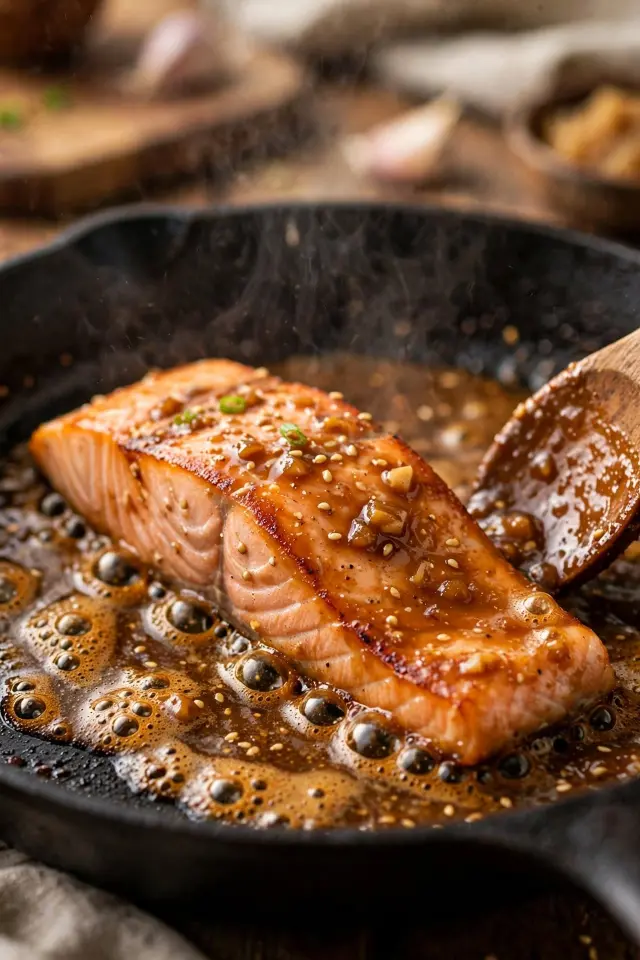
- Sear the salmon. Lay the fillets in the pan skin-side down (if using skin-on) and cook undisturbed for 4-5 minutes. Resist the urge to move it early — this is what gives you that caramelized, slightly crisp edge.
- Flip and finish. Turn the fillets carefully and cook another 3-4 minutes, until the salmon flakes easily with a fork but still looks glossy in the center.
- Rest briefly. Move the salmon to a plate and let it rest for 2 minutes — this keeps the juices in instead of running out onto the plate.
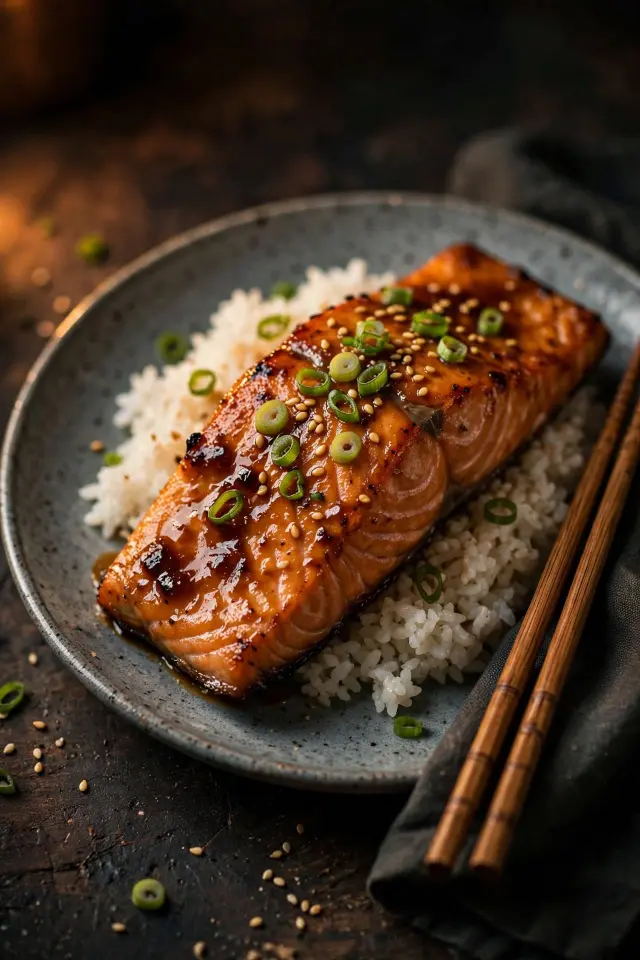
- Plate and garnish. Serve over warm rice, then scatter scallions, sesame seeds, and a small pinch of pink Himalayan salt over the top.
Wondering how to tell when salmon is actually done without cutting it open? Press gently with a fork — if it flakes with light resistance and the color has gone from translucent to opaque, it’s ready.
Expert Tips
- Don’t skip the pat-dry step. Wet fish steams instead of searing, and you’ll lose that glazed crust.
- Salt at two points, not one. A small amount goes into the marinade, and a pinch goes on right before serving — this is what gives you layered flavor instead of one-note saltiness.
- Leftovers keep well. Store in an airtight container for up to 2 days; reheat gently in a covered pan over low heat so the salmon doesn’t dry out.
- Freezing isn’t ideal here — the glaze changes texture once thawed, so this one’s best fresh.
- If your miso is very salty, cut the added pink Himalayan salt in the marinade by half and adjust at the end instead.
For more on why searing technique affects texture, the Serious Eats guide to pan-searing fish is a solid technical reference, and if you’re curious about the actual mineral composition of pink Himalayan salt versus table salt, this breakdown from Healthline is a fair, non-hyped summary.
FAQ
Is there really a Japanese “pink salt” diet?
No — this isn’t a documented Japanese culinary tradition or diet plan. It appears to trace back to online weight-loss marketing rather than any real practice, so it’s worth being skeptical of products or claims built around it.
Does pink Himalayan salt have health benefits over regular salt?
It contains trace minerals that regular table salt doesn’t, but the amounts are small enough that the practical health difference is minimal. The main appeal for most home cooks is flavor and texture, not nutrition.
Can I use regular salt instead of pink Himalayan salt in this recipe?
Yes, completely. Use about 25% less table salt than the pink salt called for, since fine table salt is denser and saltier by volume.
What can I serve with miso salmon besides rice?
Steamed greens like bok choy or spinach work beautifully, and a quick cucumber salad adds a nice cool contrast to the warm, savory fish. For more ideas, check outTeriyaki Salmon Recipe.
Can I make this ahead of time?
You can mix the marinade up to a day ahead and store it in the fridge, but the salmon itself is best cooked fresh — it only takes 15 minutes anyway. If you’re meal-prepping, this pairs well with Blue Salt Trick Recipe
Similar Posts
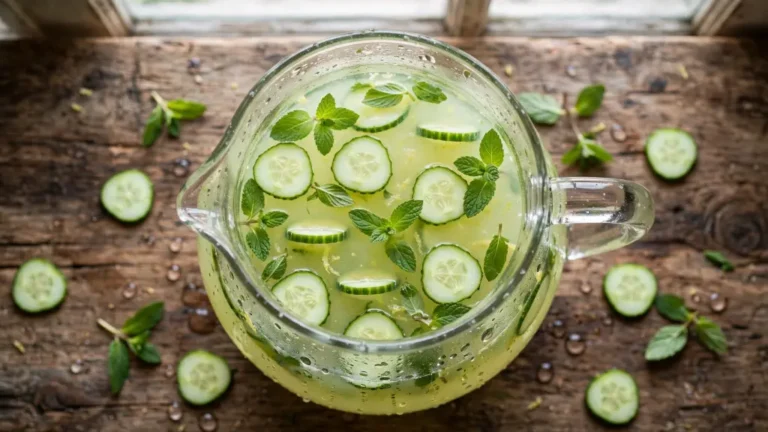
Cucumber Mint Lemonade Recipe: The Refreshing Summer Drink You’ll Make on Repeat
Why This Cucumber Mint Lemonade Belongs in Your Summer Rotation Craving something more interesting than plain lemonade? This cucumber mint lemonade recipe blends fresh lemon juice, crisp cucumber, and cool mint into a drink that’s tart, herbaceous, and genuinely refreshing—ready in about 10 minutes with zero special equipment. I started making this the summer our…
Blue Salt Trick Recipe: Easy 5-Minute Lemon Water That’s Actually Worth Trying
If you’re looking for the blue salt trick recipe, the simplest version is a refreshing lemon water made with a tiny amount of food-grade Persian blue salt. You stir the salt into cold or room-temperature water, add fresh lemon, and let it sit briefly before drinking. The result is lightly mineral-tasting, pleasantly tart, and visually…
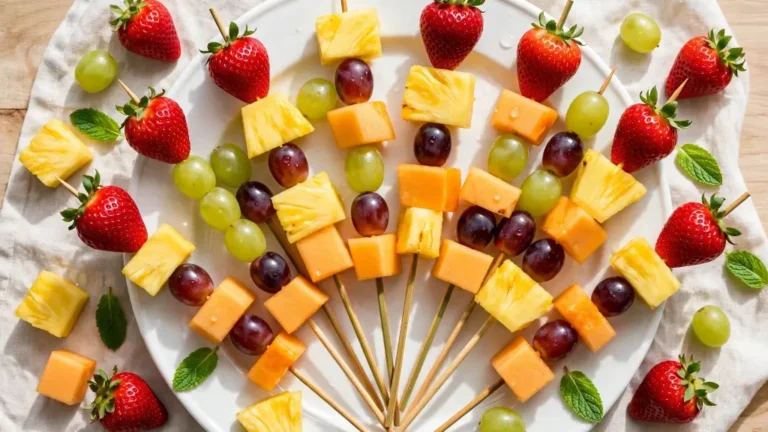
Fruit Skewers for Parties: The 20-Minute No-Cook Recipe Everyone Grabs First
Want fruit skewers for parties that come together in under 20 minutes with zero cooking and almost no cleanup? This is the recipe: a simple rainbow lineup of fruit threaded onto skewers, arranged on a platter, and gone within the first ten minutes of any party I’ve ever brought them to. I started making these…
15 Best Sleepover Food Snacks Ideas Everyone Will Beg You to Make Again
Looking for sleepover food snacks ideas that will keep a room full of kids (or nostalgic adults) happy until 2 a.m.? This roundup covers 15 grab-and-go bites, sweet treats, and build-your-own bars that are easy to prep ahead, portion out, and eat cross-legged on a sleeping bag. I put this list together after years of…
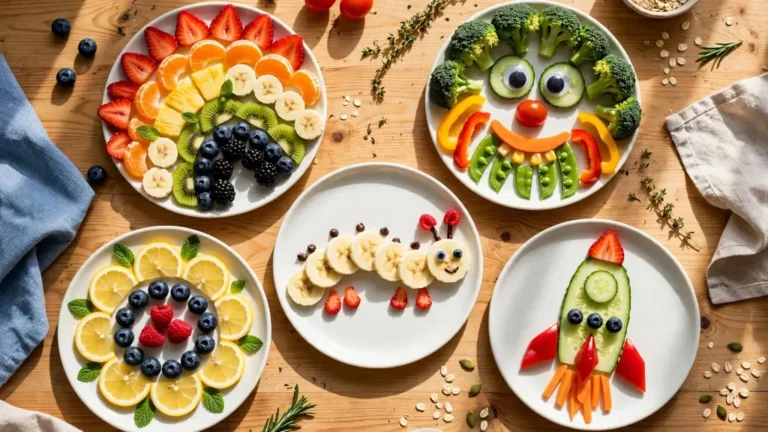
15 Fun Food Art Ideas for Kids That Turn Snack Time Into Playtime
Why These Food Art Ideas for Kids Actually Work Looking for food art ideas for kids that go beyond a sad smiley-face pancake? This roundup has 15 playful, edible creations—from fruit rainbows to veggie monsters—that turn ordinary meals into something kids actually want to eat, using ingredients you probably already have on hand. I started…


2 Comments